
Tanzania Government Urges Stronger School Feeding Programmes in Schools
DODOMA — The Tanzania government has urged stronger school feeding programmes in schools, calling on education and nutrition stakeholders to work together in supporting initiatives that improve students’ health and learning conditions.
The call was made by Deputy Minister for Education, Science and Technology Wanu Hafidh Ameir during the commemoration of the African Day of School Feeding and the International School Meals in Dodoma.
Speaking at the event, Ms Ameir urged stakeholders to support the government’s efforts by helping improve essential services in schools. She said the support should include strengthening school infrastructure such as clean cooking energy, food storage facilities, kitchens, dining halls and handwashing stations.
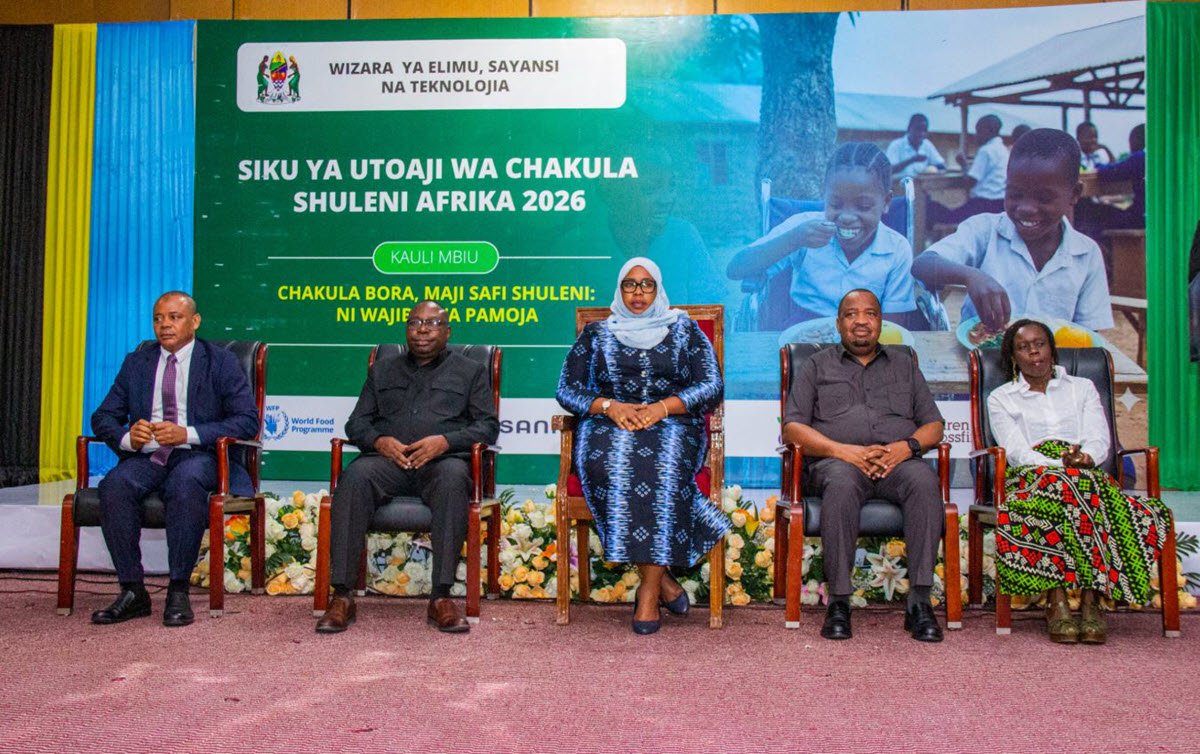
Ms Ameir said the Ministry of Education, Science and Technology will continue to create a conducive environment that enables stakeholders to contribute to the availability of essential services in schools.
She also called on parents to continue cooperating with schools to ensure pupils receive meals while at school, noting that proper nutrition is important in improving students’ health and academic performance.
“I commend Uwezo Tanzania for launching the ‘Kikombe cha Ndoto’ campaign aimed at promoting school nutrition. The campaign has helped mobilise parents to contribute to feeding programmes for children in schools,” she said.
This year’s commemoration was held under the theme “Nutritious Food and Clean Water in Schools: A Shared Responsibility.”
According to Ms Ameir, the theme aligns with the Education and Training Policy of 2014, which directs the government to collaborate with stakeholders to ensure essential services such as food, clean water and health services are available for students.
She also commended the sixth-phase government for making significant investments aimed at improving the teaching and learning environment in schools.
However, the deputy minister noted that the success of education also depends on the health of learners, since students spend a significant amount of time at school.
“Access to nutritious food, clean water and safe sanitation facilities is essential for protecting students’ health and supporting effective learning,” she said.
Statistics show that 63 percent of pupils in pre-primary and primary schools were receiving school meals as of February 2026, representing about 2,054,261 out of 12,233,108 learners.
In secondary schools, 69 percent of students were benefiting from school feeding services, representing 2,054,261 out of 3,090,961 students.
Data also indicate that 68 percent of schools have access to an improved source of drinking water, although only 55 percent meet the basic water service standard, which requires water to be available regularly.
Ms Ameir also commended the President’s Office – Regional Administration and Local Government (PO-RALG) for supervising the implementation of school nutrition guidelines and self-reliance education programmes that enable schools to establish projects supporting essential services.
She further urged the office to strengthen monitoring of foods sold within school environments to ensure they meet World Health Organization standards and comply with child rights and national public health objectives.
Speaking on behalf of development partners, World Food Programme Deputy Country Director Christine Mendes urged stakeholders to intensify efforts to ensure every child receives safe and nutritious meals daily.
She said stronger coordination among ministries, local government authorities and communities, along with improved monitoring systems and sustainable financing, is essential in strengthening national school feeding programmes.
Ms Mendes also encouraged the adoption of nutrient-rich and fortified foods, increased dietary diversity and integration of school feeding programmes with school-based food production initiatives to improve nutrition among school children.
Editor’s Picks:
- TAMISEMI Form Five Selection 2026: Expected Release Timeline
- DSEE Diploma in Secondary Education Exam Timetable May 2026
- 10 Candidates Secure Samia Scholarship Extended (SSE DS/AI+) for MSc in AI